Robbie Fowler placed the ball on the spot, took his measured steps back。and the stadium held its breath. It was 1997, Anfield, and the striker was about to face Sheffield Wednesday's keeper. What followed wasn't just a goal—it was a study in pressure, technique, and the fine line between hero and villain. Fowler's penalty kick that day became a talking point for years, not because of the finish, but because of the build-up: the stutter, the miss, the retake. A microcosm of football's cruelty and Fowler's audacity.Fowler's penalty kick routine was never orthodox. He'd start his run-up slow, almost casual, then accelerate with a sudden burst. That day, he stuttered mid-stride, causing the keeper to dive early. The ball rolled wide. The referee ordered a retake—encroachment. Fowler, instead of blasting it。
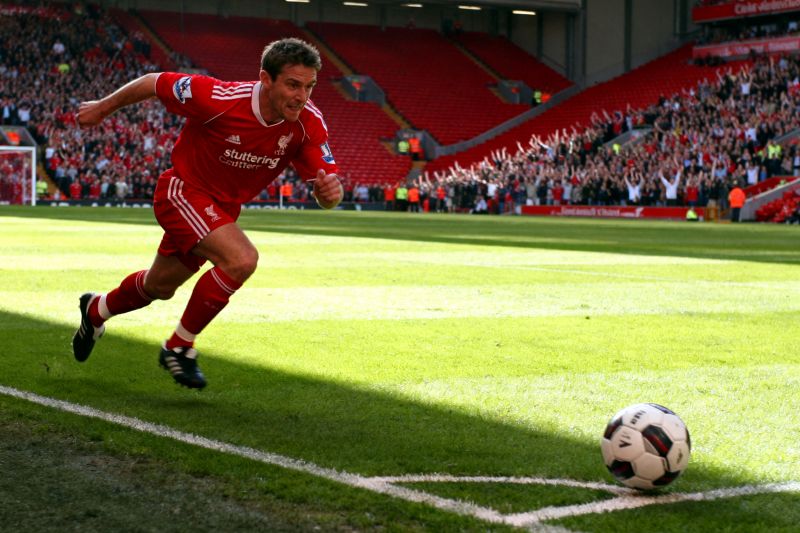
deliberately side-footed a soft effort that the keeper saved. The rebound was cleared. The score stayed 0-0. Why would a striker pass up a clear chance?Some say it was sportsmanship;others call it hubris. I see a player testing the boundaries of the game's unwritten rules.That incident reveals more about Fowler's penalty kick psychology than any statistic. He scored 183 goals for Liverpool, many from the spot, but this miss is what fans remember. The pressure of a penalty kick is unique: no defenders。no angle, just a duel. Fowler thrived on that duel, yet he also toyed with it. His later penalty kicks often featured a hop-skip technique, a trademark that unsettled keepers. The 1997 miss wasn't a failure of nerve;it was a calculated experiment. He wanted to see if he could beat the keeper twice—first with the stutter, then with the gentle roll. The keeper didn't bite. Lesson learned.Fast forward to 2001。Fowler's penalty kick against Manchester United. This time, no stutter. He picked his spot, low to the left, and buried it. The contrast is stark: the same player, the same pressure, a different outcome. What changed?
Experience. The earlier miss taught him that simplicity often wins. Yet he never abandoned his flair—his penalties always had a touch of the theatrical. That's what made Fowler's penalty kick so compelling: it was never just about scoring;it was about the story. He once said, 'I'd rather miss a penalty trying something than score a boring one.' That's a risky philosophy, but it's pure Fowler.
Modern analysts would dissect Fowler's penalty kick technique with expected goals and save percentages. But numbers miss the point. The essence of his penalties lies in the psychological chess match—the mind games。the feints, the willingness to look foolish. In a era of data-driven football, Fowler's approach feels almost romantic. He took penalties the way he played: with a wink and a gamble. That 1997 miss?It wasn't a blunder. It was a statement. And in the annals of Anfield lore, it's remembered as fondly as any goal.