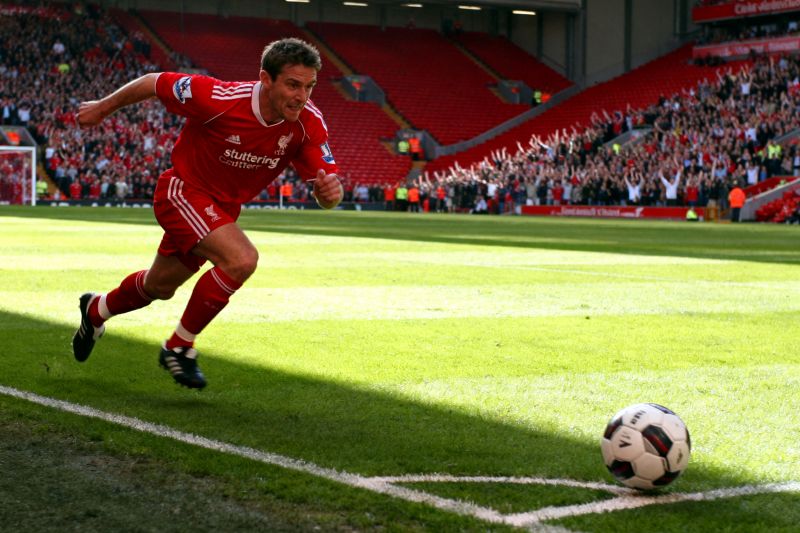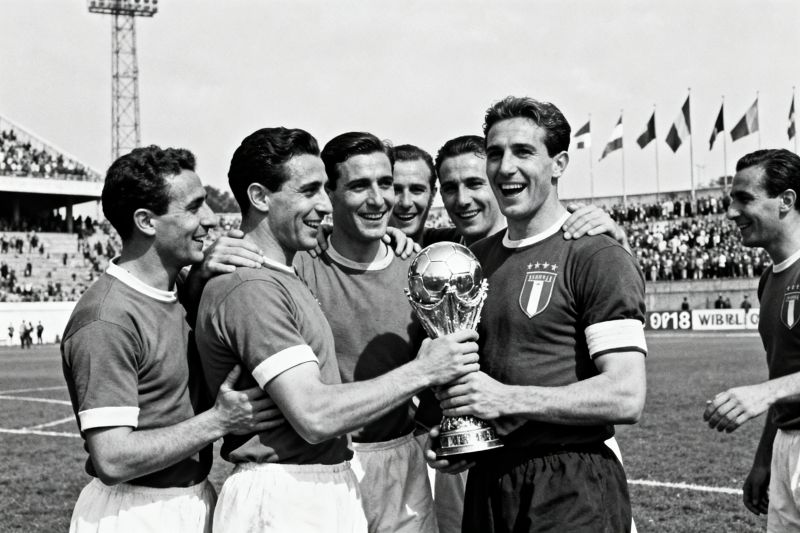
You see him before you know his name. The rugby boy stands with his shoulders slightly forward, neck thick from scrums, tape wrapped around one wrist like a badge. He's not the biggest player on the pitch—often he's the one with a crooked nose and a grin that suggests he's already taken a hit and enjoyed it. That posture isn't taught in a classroom. It's built through hundreds of tackles, countless rucks。and the particular silence of a cold morning training session where the grass is still frosted and the only sound is breath and boots.The term "rugby boy" gets thrown around loosely, but it describes something specific: a young player shaped by the sport's unusual demands. Unlike football, where flair can hide fragility。rugby exposes everything. A rugby boy learns to carry the ball into contact knowing he will be hit. He learns to clear a ruck while someone is pulling at his jersey. He learns that the team's success depends on him being exactly where he's supposed to be—not a step late. I've watched under-16 matches where the rugby boy on the wing, skinny and quiet, suddenly steps inside to take a pass at full speed and gets flattened. He gets up. That's the point.There's a physical reality to this identity that's easy to overlook. A rugby boy develops a body that tells a story: knotted calves, a slight limp after a hard game, hands that are calloused from gripping a ball in the rain. But the more interesting development is mental. The sport demands decision-making under fatigue. When your lungs are burning and the opposition is pressing, you still have to choose: pass, run。
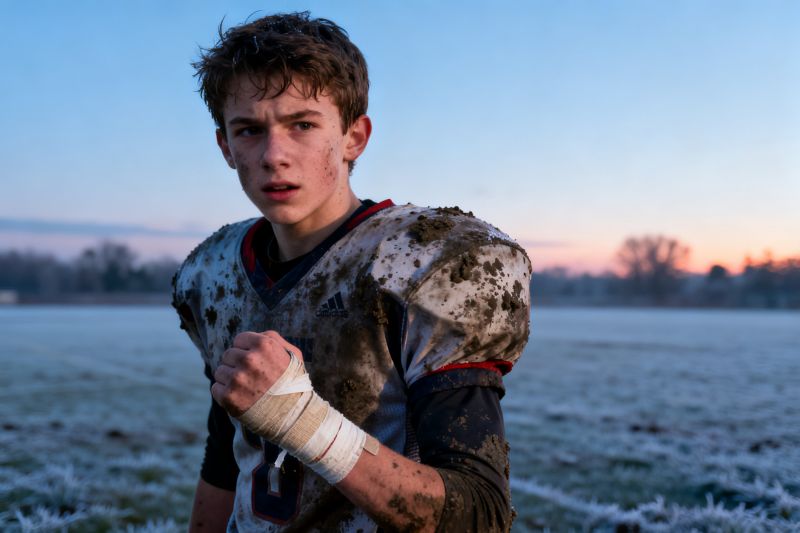
kick, or take the contact. I remember a coach telling a group of fifteen-year-olds, "You're not tired. You're just making excuses." Harsh?Maybe. But that rugby boy learned to separate genuine exhaustion from the voice that wants to quit. That lesson sticks long after the boots are hung up.
Off the pitch, the rugby boy often carries a certain social ease. He's used to shared suffering—the communal ice bath, the long bus rides, the post-match meals where nobody cares who scored. That environment breeds a particular kind of humility. You can't be a prima donna when the same forwards who protect you in a maul also steal your dessert. A rugby boy learns to talk to everyone, from the captain to the kit manager. He knows that respect is earned through effort。not reputation. I've seen shy teenagers become confident speakers simply because rugby gave them a place to belong without needing to be the loudest.None of this is to romanticize the sport. Rugby boy culture can drift into a hardness that ignores injury or dismisses vulnerability. The best rugby boys I've known are the ones who balance toughness with awareness—who play hard but also know when to check on a teammate. That's the version of the rugby boy worth celebrating: not a caricature of grit, but a young person who has learned that strength means showing up for the person next to you. The tape comes off. The bruises fade. The mindset remains.